
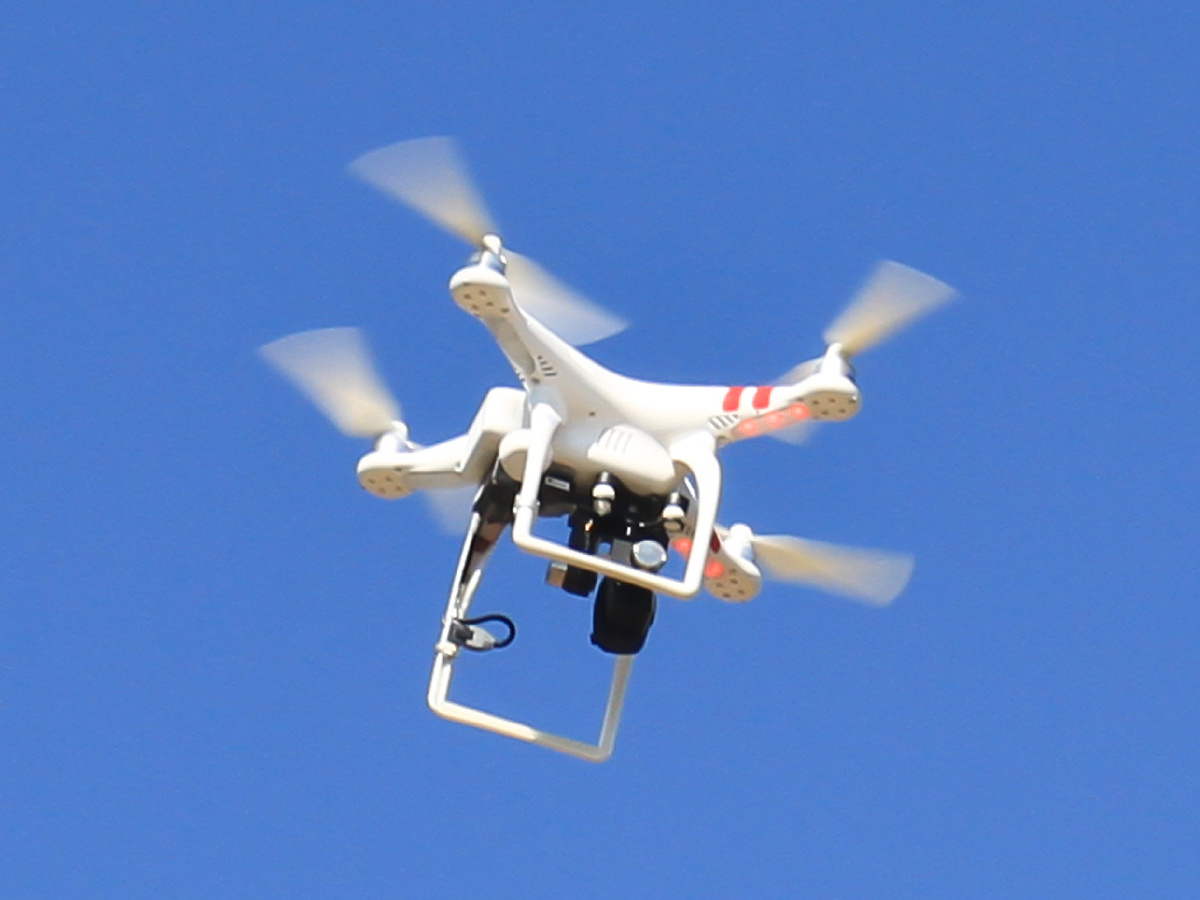
As soon as you dive into the world of FPV, you immediately encounter a bunch of abbreviations: FC, ESC, VTX, RX...
At first, it seems like some kind of secret code. In reality, everything is simpler than it looks.
Frame — body and skeleton The entire structure rests on it. A carbon frame is lightweight but can withstand serious impacts and crashes. Balance is important here: the lighter it is, the better the maneuverability and speed; the stronger it is, the calmer your nerves will be after crashes.
Flight controller (FC) — the brain This is a small computer on board. It receives commands from the remote control, analyzes them, and sends orders to the motors. This is where the firmware (Betaflight, iNav) is installed, which determines how the drone behaves in the air.
ESC (Electronic Speed Controller) — the nervous system ESCs are modules that quickly convert the “add gas” command into motor revolutions. Smoothness and precision of control depend on their quality. If the FC thinks, the ESC acts.
VTX (Video Transmitter) — eyes Everything the camera sees is instantly transmitted to your glasses via VTX. The higher the power, the further and clearer the connection. For an FPV pilot, this is literally their eyesight.
RX (Receiver) — the ears The RX picks up the signal from the remote control and transmits it to the flight controller. If the connection is reliable, the drone is obedient; if not, get ready for failsafe (loss of control).
The result is a whole organism: body (frame), brain (FC), nerves (ESC), eyes (VTX), ears (RX). And all of this responds to the slightest movement of your fingers. Translated with DeepL.com (free version)
Frame — body and skeleton The entire structure rests on it. A carbon frame is lightweight but can withstand serious impacts and crashes. Balance is important here: the lighter it is, the better the maneuverability and speed; the stronger it is, the calmer your nerves will be after crashes.
Flight controller (FC) — the brain This is a small computer on board. It receives commands from the remote control, analyzes them, and sends orders to the motors. This is where the firmware (Betaflight, iNav) is installed, which determines how the drone behaves in the air.
ESC (Electronic Speed Controller) — the nervous system ESCs are modules that quickly convert the “add gas” command into motor revolutions. Smoothness and precision of control depend on their quality. If the FC thinks, the ESC acts.
VTX (Video Transmitter) — eyes Everything the camera sees is instantly transmitted to your glasses via VTX. The higher the power, the further and clearer the connection. For an FPV pilot, this is literally their eyesight.
RX (Receiver) — the ears The RX picks up the signal from the remote control and transmits it to the flight controller. If the connection is reliable, the drone is obedient; if not, get ready for failsafe (loss of control).
The result is a whole organism: body (frame), brain (FC), nerves (ESC), eyes (VTX), ears (RX). And all of this responds to the slightest movement of your fingers. Translated with DeepL.com (free version)
26/09/2025 10:56:31
Views:795